What Actually Predicts Dating App Success? The Research
Quick answer
Dating app success is not random — research has identified a consistent hierarchy of factors that predict who achieves good outcomes. Photo quality is the single strongest predictor of match rate, explaining approximately 50-60% of the variance in swipe outcomes. Profile completeness is the second strongest factor — fully completed profiles with all photo slots and prompts filled receive 40-80% more engagement than sparse profiles. Platform choice matters significantly: choosing the platform best aligned with your relationship goals and demographics substantially affects outcome quality. Messaging behavior — personalization, timing, question-asking — is the dominant variable once matches are made. And real-world follow-through — moving from digital to in-person within 1-2 weeks — is the strongest predictor of actual relationship formation from apps.
In this guide
How Important Is Profile Quality Relative to Physical Attractiveness?
One of the most practically useful findings in dating app research is that profile quality — how well a person is presented — has an effect on outcomes comparable in magnitude to physical attractiveness as perceived in person. Research showing the same person with high-quality versus low-quality profile photos found that high-quality photos generated 2-3x more interest even when the subject's underlying attractiveness was held constant. This means that a moderately attractive person with excellent photos and a well-crafted profile can significantly outperform a more physically attractive person with poor profile execution. The implication is highly empowering: users cannot change their physical attributes, but they can invest in how those attributes are presented, and that investment has very high returns relative to almost any other dating action.
What Role Does Platform Algorithm Play in Success?
Understanding platform algorithms is increasingly important for dating app success. All major platforms use recommendation systems that distribute profile visibility unevenly — top-ranked profiles receive dramatically more exposure than average profiles. Algorithmic factors that determine ranking include: profile completeness (fully completed profiles are ranked higher), activity recency (daily active users are ranked above inactive ones), engagement quality (users who consistently receive likes on their responses are shown to more people), and subscription status (paid subscribers receive visibility boosts on most platforms). The practical implication is that a new or recently updated profile in a paying subscriber account that is used daily will receive maximum algorithmic exposure, while a stale, free-tier, infrequently-used account will be buried regardless of the underlying profile quality.
How Does Intent Alignment Affect Dating App Success?
Intent alignment — whether two users have compatible relationship goals — is the most underrated predictor of dating app success. Research on match-to-relationship conversion rates found that pairs who both explicitly stated comparable relationship intentions in their profiles converted at approximately 3x the rate of pairs with unclear or misaligned stated intentions. This effect is strongest on platforms like Hinge, where profile depth enables more intent signal transmission, and weakest on Tinder, where intent is rarely communicated clearly. The practical implication is that stating your relationship intent clearly in your profile — even if it reduces total matches — dramatically improves the proportion of matches who are genuinely compatible, which is far more valuable than maximizing match count. Vague intent attracts a broad but largely incompatible audience.
What Behavioral Factors Most Strongly Predict a Date from an App?
Several behavioral factors strongly predict whether a match converts into an actual first date. Messaging within 24 hours of matching is associated with approximately 3x higher date conversion than waiting longer. Sending a personalized message referencing the match's profile is associated with approximately 2.5x higher response rate and 2x higher date conversion. Suggesting a specific date, time, and location — rather than a vague 'we should meet sometime' — is associated with approximately 3x higher confirmed-date rate. Avoiding the pen-pal trap — excessive digital communication that substitutes for rather than leads to real-world meetings — is critical: data shows that pairs who move to an in-person meeting within 10-14 days of first contact have significantly higher relationship conversion rates than those who correspond digitally for longer.
How Do Lifestyle and Socioeconomic Factors Affect Success?
Socioeconomic factors significantly affect dating app outcomes through multiple channels. Higher income increases match rates for men through status signaling in photos and profile content. Higher education increases match quality and the sophistication of messaging. Physical fitness — as perceived through photos — increases swipe rates for both genders. Geographic location determines pool size and competition level. Among lifestyle factors, research shows that users who communicate active, socially engaged lifestyles in their photos receive 20-30% more right swipes than users who present static or passive lifestyle contexts. Travel photos, social event photos, and activity-based photos all perform better than pure portrait shots. These lifestyle signals are more valuable as secondary photos than as lead photos, where facial clarity should take priority.
What Personality Factors Predict Long-Term Dating App Success?
Beyond profile execution and behavioral patterns, certain personality factors are associated with better long-term dating app outcomes. Self-awareness — accurately perceiving one's own attractiveness, strengths, and how one's profile is likely to be perceived — is strongly associated with matching and messaging behavior calibrated for success. Users who overestimate their profile quality and consistently target matches far above their apparent tier have low response rates and high frustration. Resilience to rejection — the ability to maintain high messaging quality and positive energy despite a high ratio of no-responses — is associated with better outcomes over time. Genuine curiosity about other people — which naturally produces better, more personalized messaging — is consistently identified in qualitative research as a trait shared by successful app daters across all platforms.
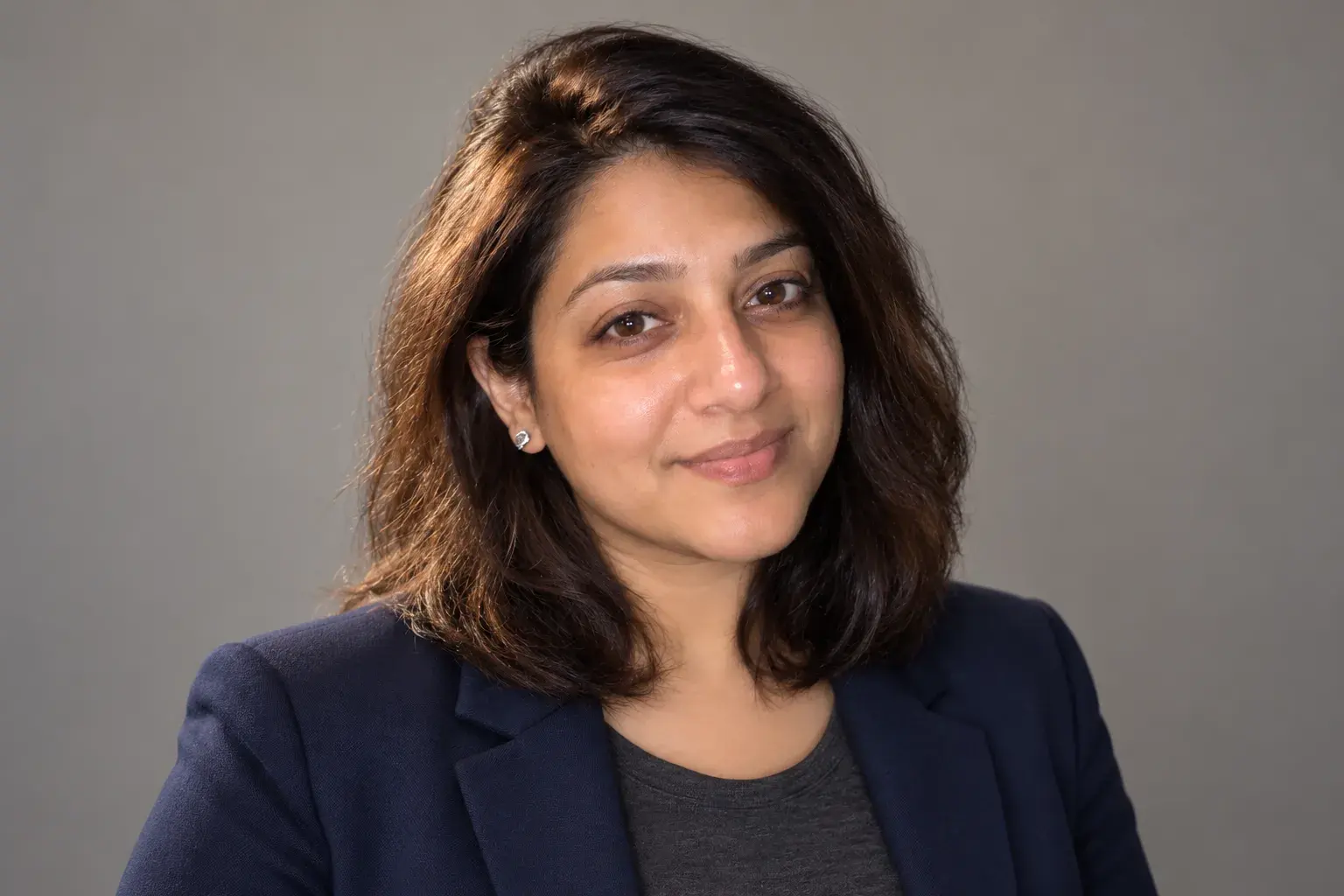
Try this on your own photo
Turn it into a better photo, or a video.
Bring the shot with the right moment and the wrong light. Magnt fixes the light, color and sharpness, then can bring it to life as a 5 or 10 second clip. Still looks like you.
Actionable Takeaways from Dating Success Factor Statistics
The success factor data produces a clear priority hierarchy. First, invest in photo quality above all else — it is the highest-return single action available. Second, complete your profile fully on whatever platform you use. Third, choose the right platform for your demographic and relationship goals rather than defaulting to the highest-profile name. Fourth, state your relationship intent clearly to attract compatible rather than merely numerous matches. Fifth, message within 24 hours, personalize every opener, and propose a specific date within 10-14 days of meaningful conversation. Sixth, calibrate your targeting realistically — matching and messaging within your tier produces dramatically better response and conversion rates than consistently targeting above it. Finally, maintain quality engagement over quantity — 30-60 focused minutes of daily use outperforms hours of passive scrolling.