Dating App Usage Trends 2026: How Behavior Is Changing
Quick answer
The dating app industry in 2026 is characterized by maturing growth, platform consolidation, and a significant shift toward AI-enhanced features. Overall user growth has slowed from the double-digit annual rates of 2018-2022 to approximately 4-6% globally, with growth concentrated in emerging markets rather than the already-saturated U.S. and UK markets. Platform consolidation continues: Match Group controls approximately 45% of global dating app revenue. The most significant trend of 2025-2026 is the integration of AI features — from photo analysis to conversation suggestions to AI-powered compatibility scoring — across all major platforms. Voice and video profile features, pioneered in markets like India and South Korea, are expanding globally. The average user now spends time across 2.2 different dating platforms simultaneously, up from 1.6 in 2019.
In this guide
How Are Gen Z Users Changing Dating App Trends?
Gen Z users — those born after 1997 — are reshaping dating app behavior in several measurable ways. Unlike millennials who embraced swipe-based apps as novel and exciting, Gen Z has grown up with them and shows significantly higher rates of dating app fatigue and frustration. A 2024 survey found that 72% of Gen Z dating app users describe the experience as 'exhausting' or 'frustrating', compared to 58% of millennials. In response, Gen Z users are more likely to use multiple platforms simultaneously, more likely to engage with alternative social meeting tools like Wizz or BeReal, and significantly more interested in features that enable audio and video communication before in-person meetings. Gen Z also shows higher acceptance of AI matchmaking assistance and is less concerned about the authenticity questions that AI-enhanced profiles raise among older users.
What Are the Most Significant Feature Trends in 2026?
The most significant product trend across major dating platforms in 2025-2026 is the integration of AI at multiple points in the user journey. AI photo selection tools — which analyze a user's photo library and recommend the most swipe-worthy selections — have been rolled out by multiple platforms. AI-powered conversation starters and response suggestions have been tested by Hinge and Bumble. Match Group has invested heavily in AI compatibility scoring that goes beyond simple questionnaire matching to analyze behavioral patterns within the app. Video profiles — short video introductions replacing or supplementing static photos — have been rolled out in several markets and show stronger match-to-date conversion rates than photo-only profiles, at the cost of slower adoption among users uncomfortable with video production.
How Are Niche Platforms Growing?
While mainstream apps dominate by user volume, niche dating platforms have shown strong growth across several demographics. Religious dating apps — JSwipe for Jewish users, Hinge's religious filter use, Muslim-specific apps like Muzmatch (rebranded Muzz) — have all grown substantially, with Muzz reporting over 10 million members globally. Apps serving the LGBTQ+ community have diversified beyond Grindr and HER: platforms like Taimi and Scruff have expanded features and user bases. Senior dating platforms including OurTime and SilverSingles have grown at double-digit annual rates as the 55-plus cohort's app adoption accelerates. Ethnicity-specific apps — BLK for Black users, Dil Mil for South Asian users, Chispa for Latino users — have all achieved meaningful scale, collectively serving tens of millions of users who prefer culturally resonant matching experiences.
How Has the Safety Feature Landscape Evolved?
Dating app safety features have expanded dramatically over the past three years, driven by a combination of regulatory pressure, user demand, and high-profile media coverage of app-related crimes and harassment. By 2026, all major platforms have implemented photo verification — using AI to compare selfies to profile photos to detect catfishing. Tinder, Bumble, and Hinge all offer in-app background check integrations, though adoption rates among users remain low at approximately 15-20% of paid subscribers. Panic button features and real-time date sharing with trusted contacts have been added to most major platforms. Automated message scanning to detect harassment patterns has been widely implemented, though its accuracy and effectiveness remain disputed. These safety investments have improved female user retention metrics across the industry.
What Trends Are Emerging in Global Markets?
The global dating app landscape is becoming increasingly differentiated by regional cultural context. In South Korea and Japan, the market is dominated by homegrown platforms — Namuwiki-style information-rich profiles, group-based meeting apps, and 'sogaeting' (blind date) service apps have maintained significant market share against Western imports. India has seen explosive growth in dating app use, with TrulyMadly and Bumble competing for market leadership in a market with unique cultural sensitivities around pre-marital dating. The Middle East and North Africa market remains largely served by WhatsApp-based social networking rather than dedicated dating apps, though platforms like Hawaya (acquired by Match Group) are making inroads. Latin America continues to show the fastest growth of any region for both user acquisition and revenue expansion.
How Is User Behavior Evolving on Dating Apps?
User behavior on dating apps is evolving in response to both accumulated experience and changing cultural contexts. The average user in 2026 has significantly more prior app experience than the average user in 2019 — most current users have been on apps for two or more years and have developed more sophisticated and somewhat more cynical approaches. This accumulated experience manifests as faster profile judgment (average swipe time has decreased from approximately 2 seconds in 2017 to 1.3 seconds in 2024), higher expectations for profile quality, and lower tolerance for messaging patterns that feel generic or disrespectful. First-date conversion rates have declined over the same period — users are more selective about which matches they invest messaging effort in — but match-to-relationship conversion rates have remained roughly stable, suggesting quality filtering at the match stage has improved.
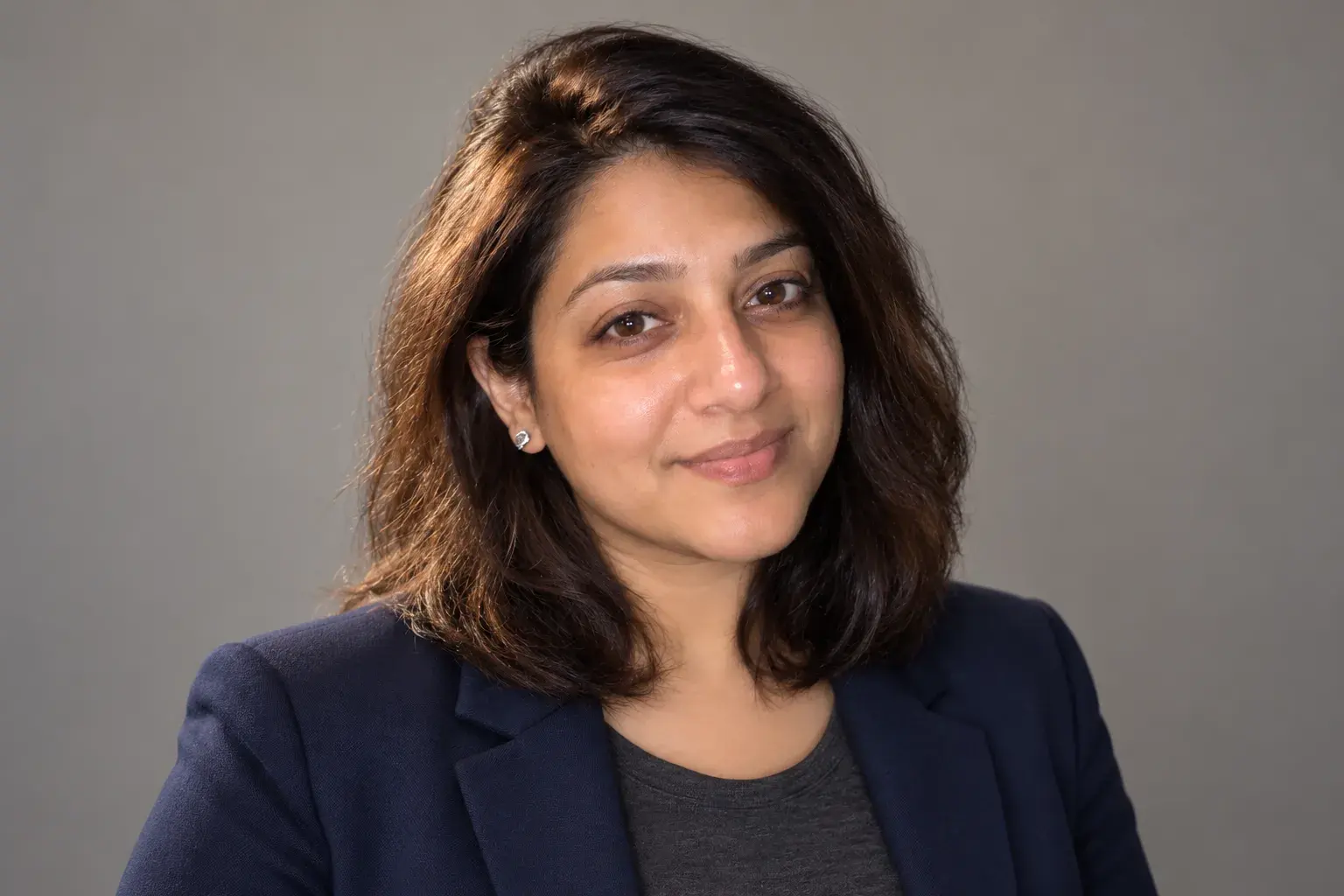
Try this on your own photo
Turn it into a better photo, or a video.
Bring the shot with the right moment and the wrong light. Magnt fixes the light, color and sharpness, then can bring it to life as a 5 or 10 second clip. Still looks like you.
Actionable Takeaways from Dating App Usage Trends
Usage trend data highlights several forward-looking insights. The growing integration of AI features means that early adopters of AI-powered profile optimization tools gain a meaningful advantage in the current market — while most users are still using static, unoptimized profiles. Niche platform growth suggests that users with strong identity-based compatibility criteria — religion, ethnicity, lifestyle — are often better served by specialized platforms than by mainstream apps. The safety feature expansion has reduced some barriers to female participation and created new trust signals — profile verification badges increase right-swipe rates by approximately 15-20% for male profiles, making verification a worthwhile investment. And the trend toward video profiles and more dynamic content means that users who embrace these newer formats gain algorithmic boosts from platforms eager to drive adoption of their newest features.